

Masterbatch|color paste
Tailor made solutions for customers and create more innovative products for them

I. Product Definition and Technical Background
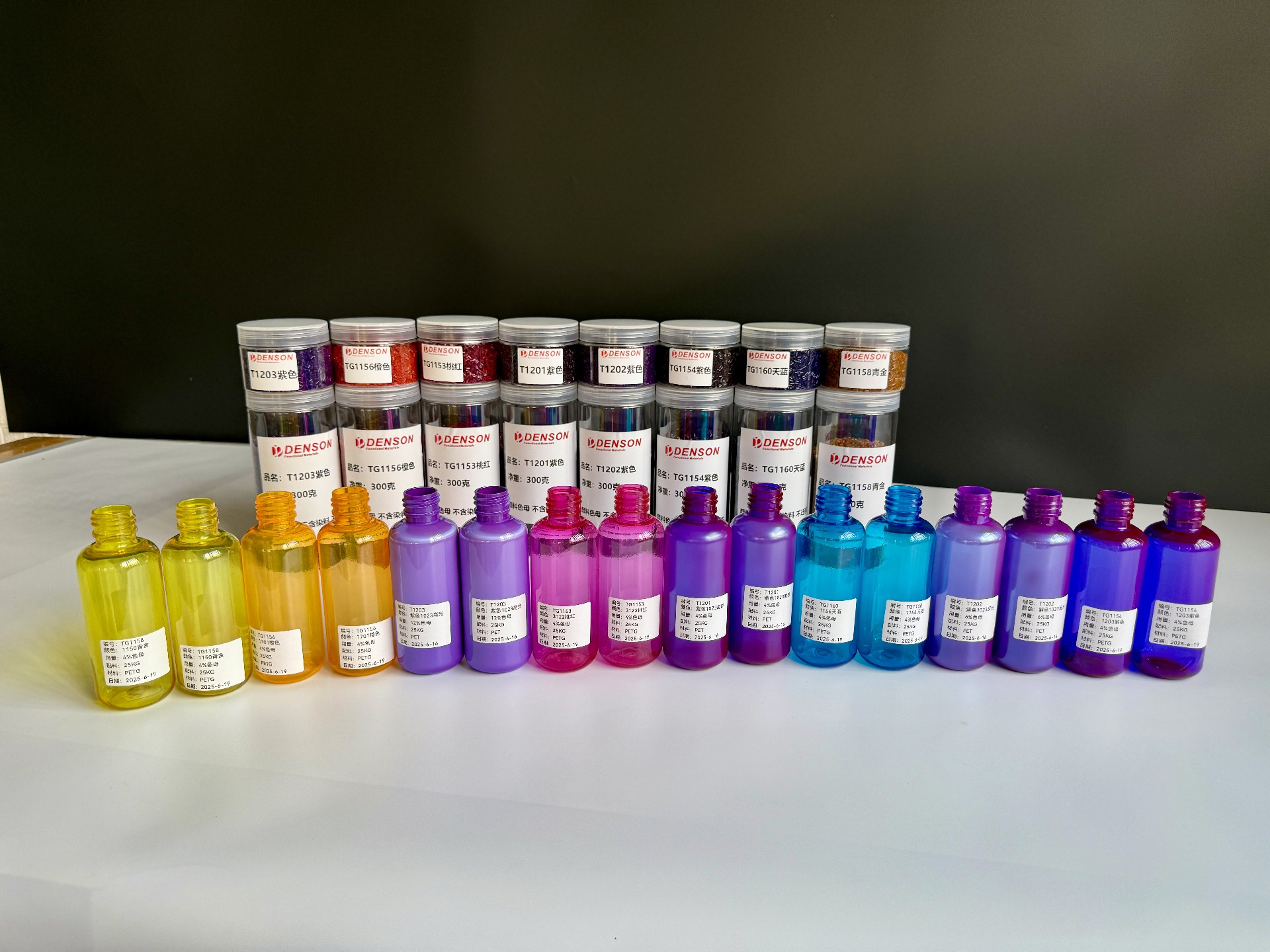
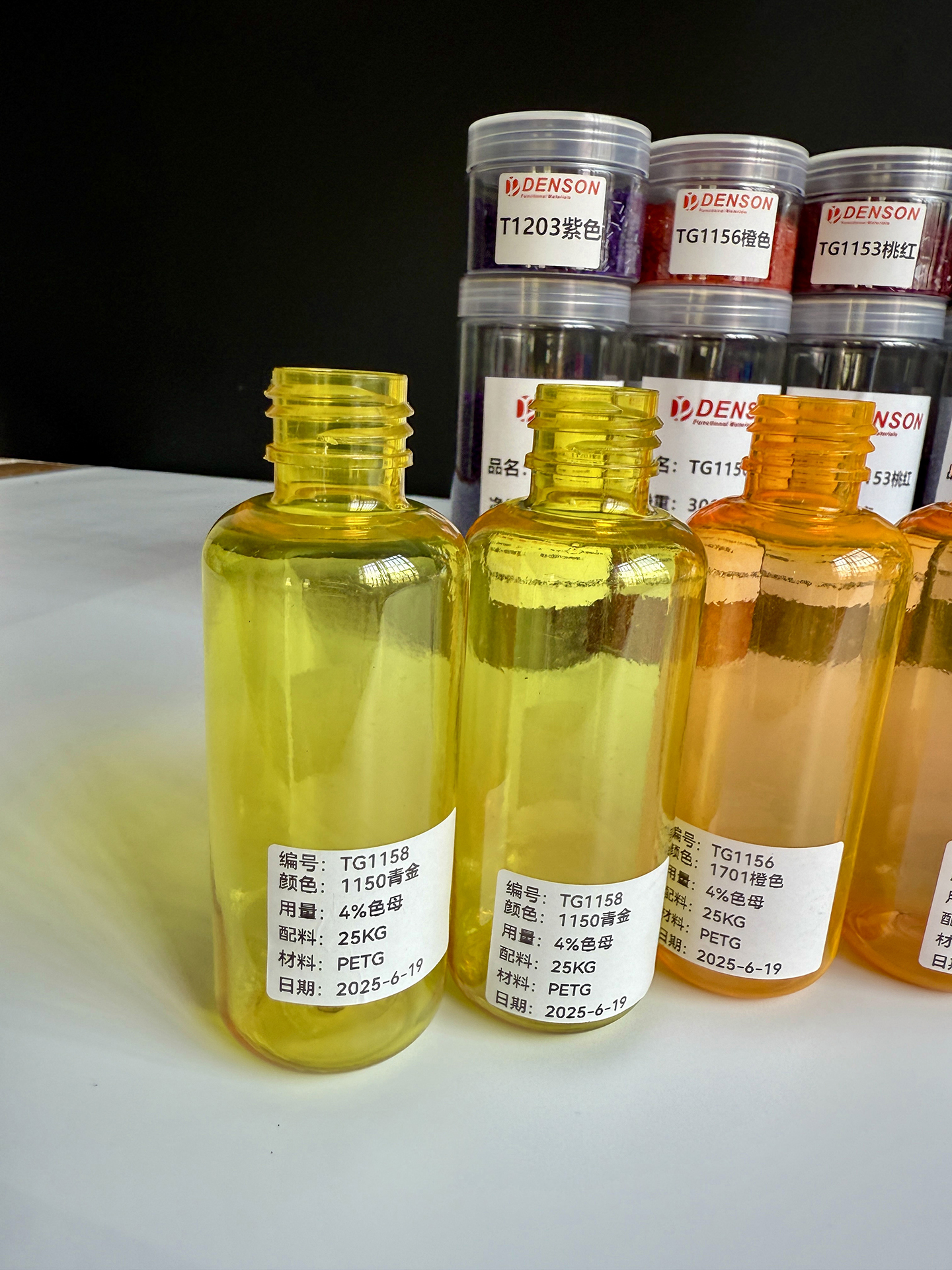
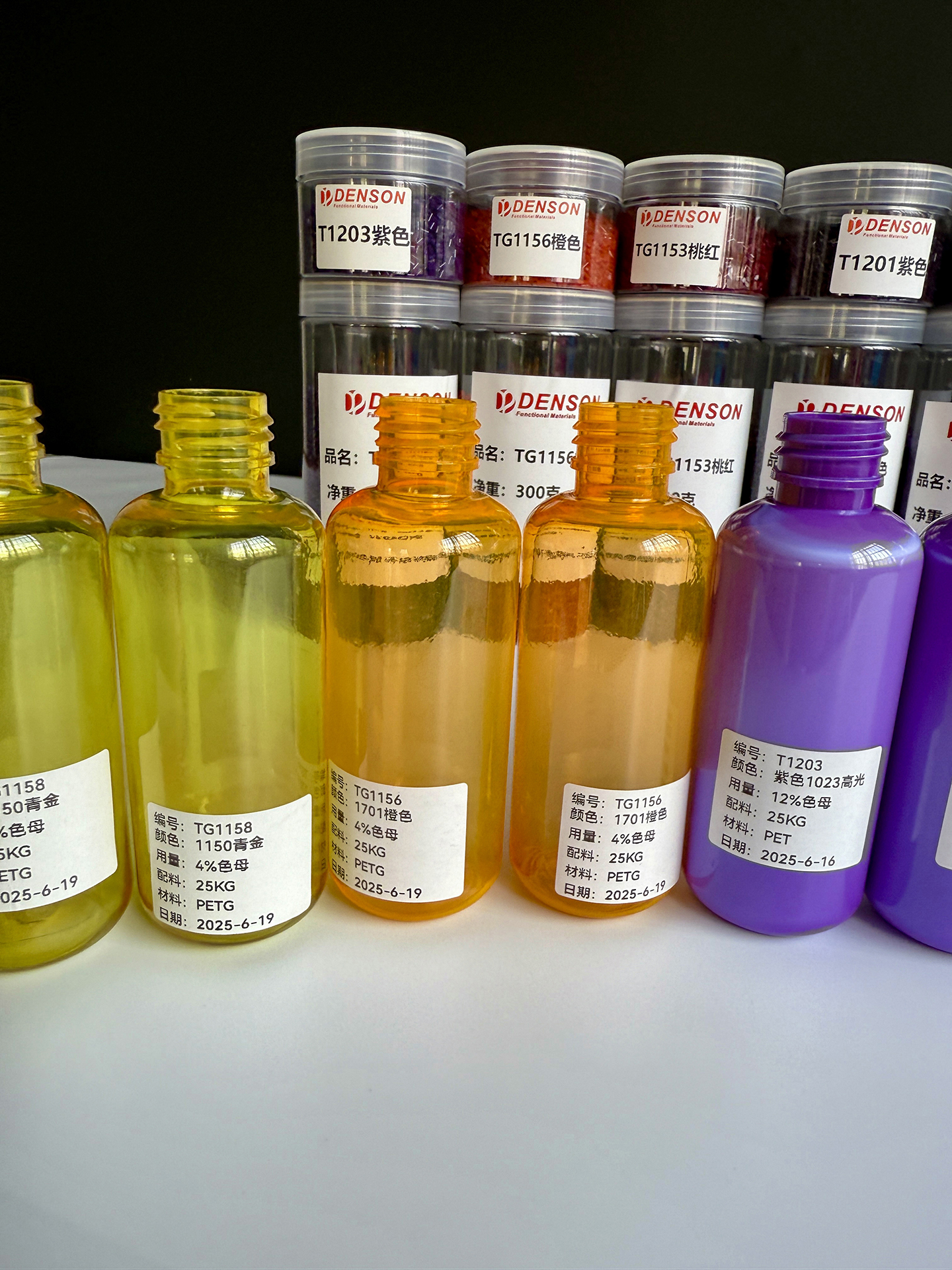
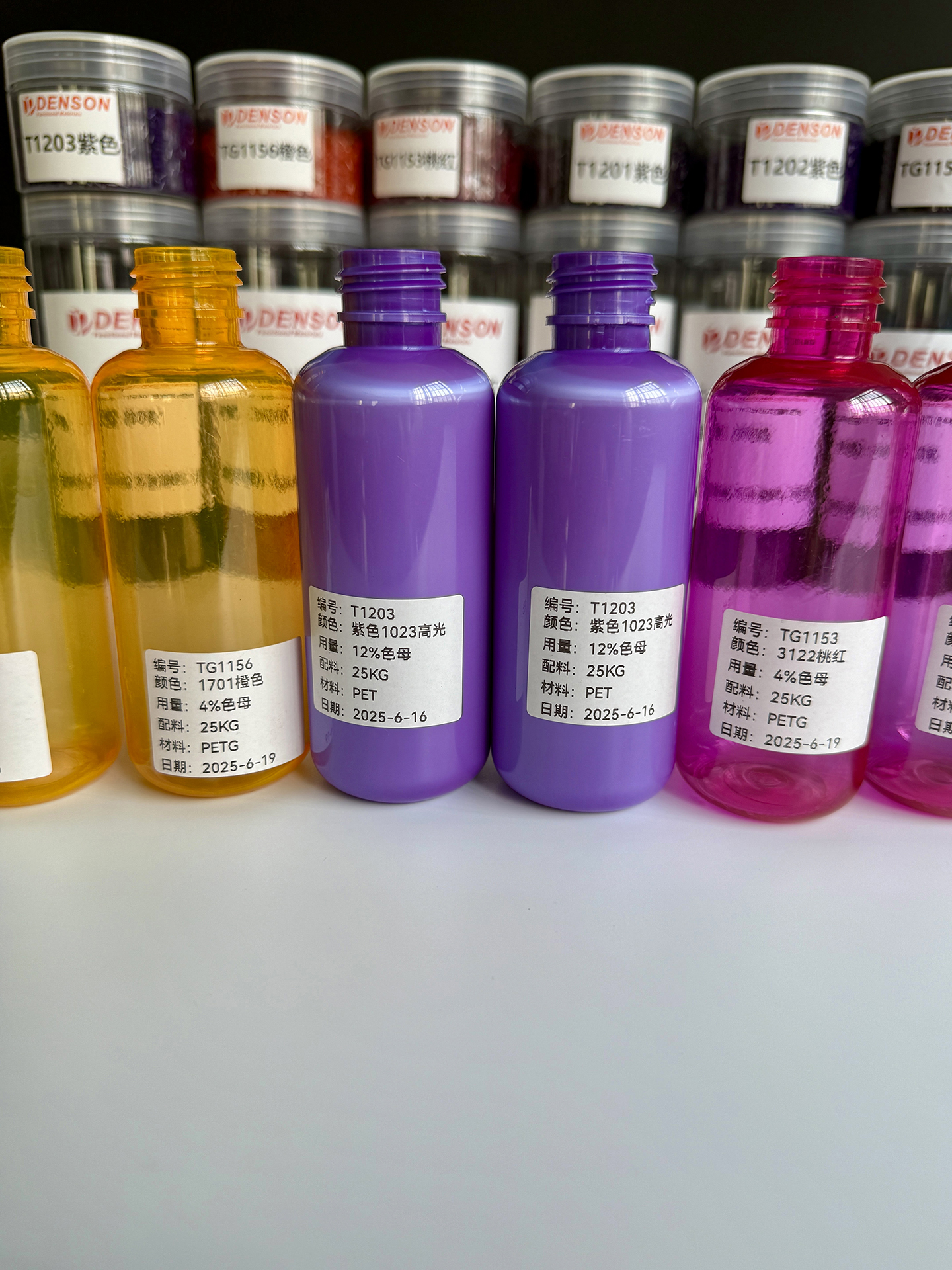
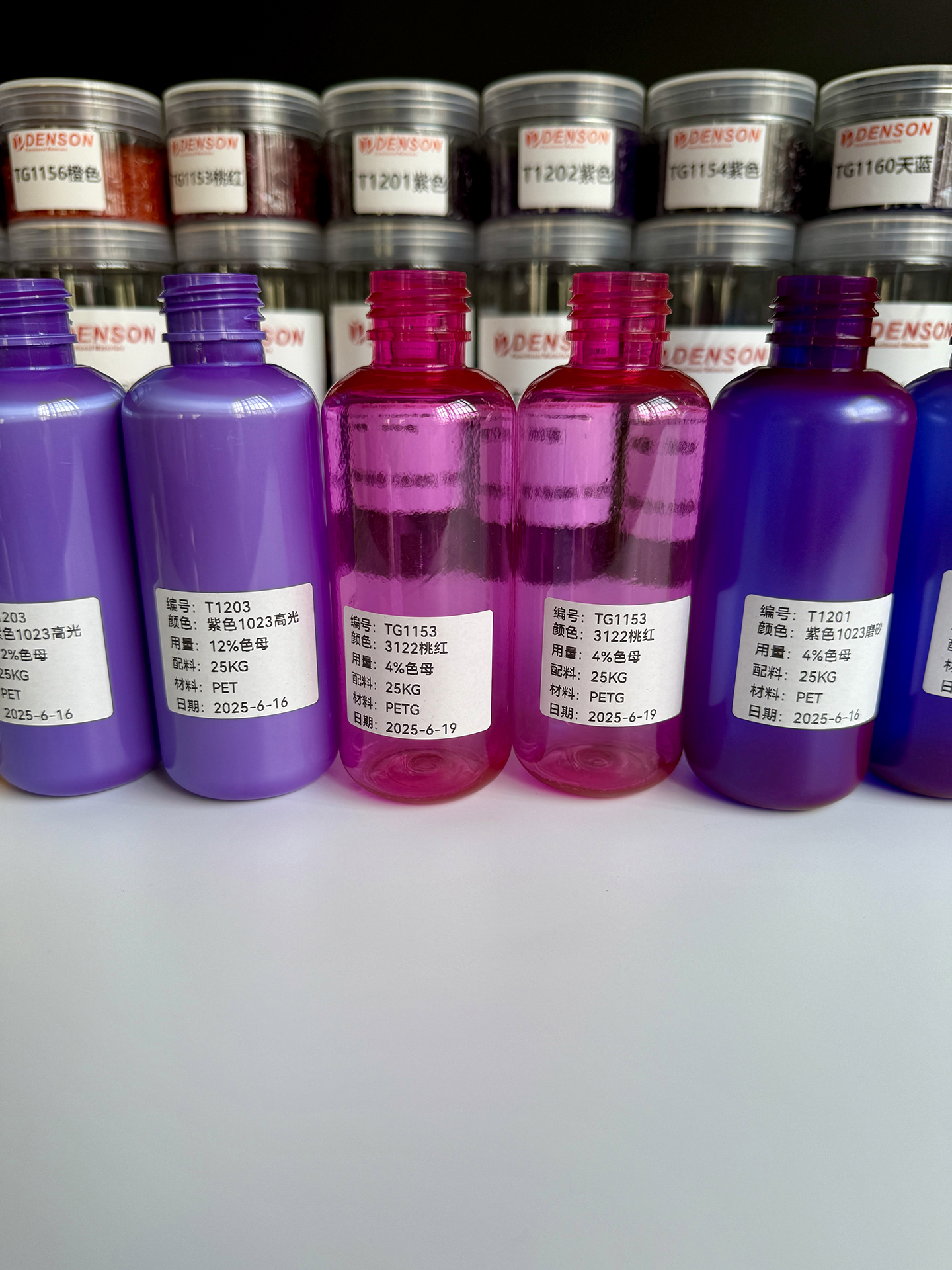
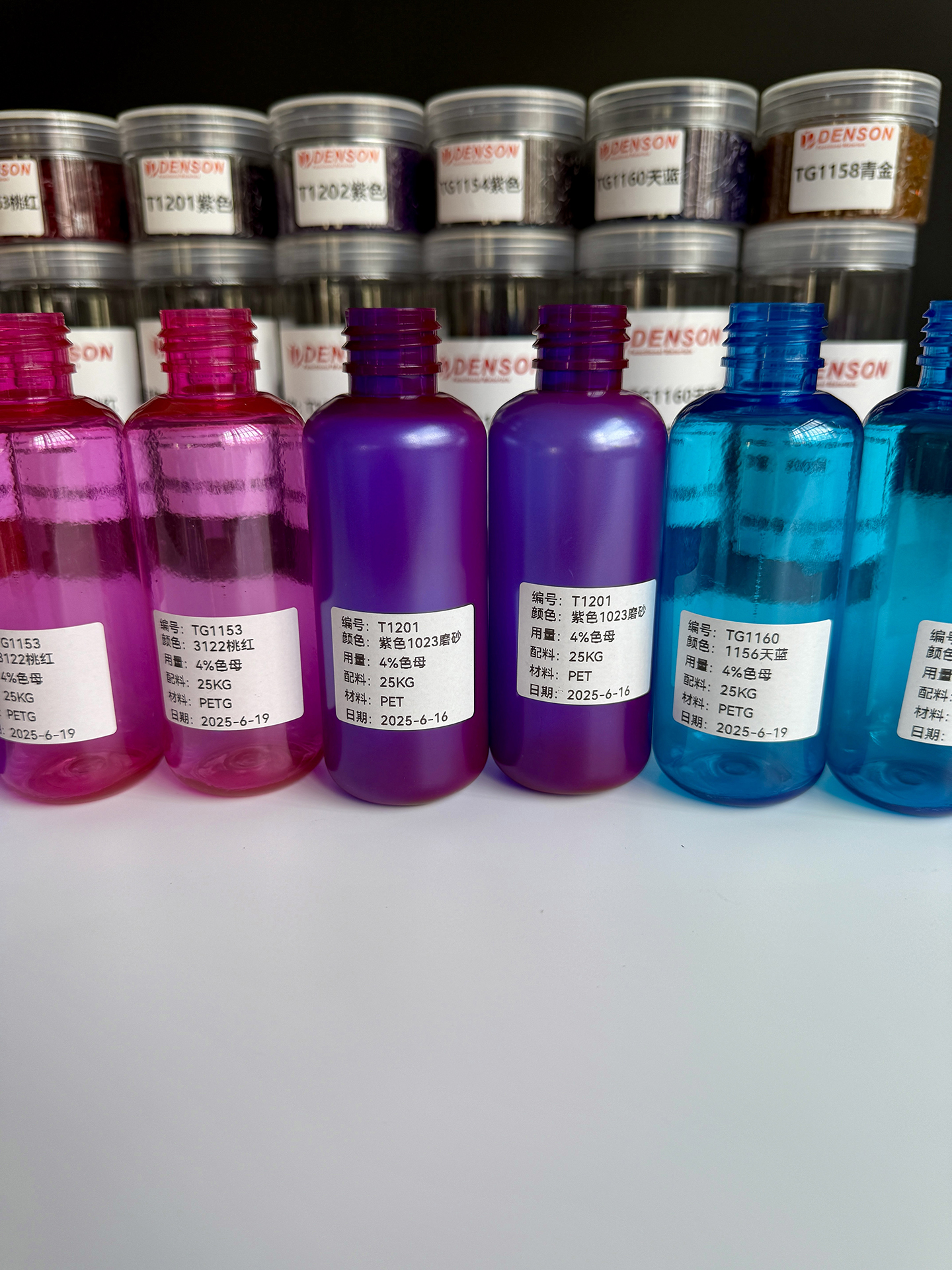
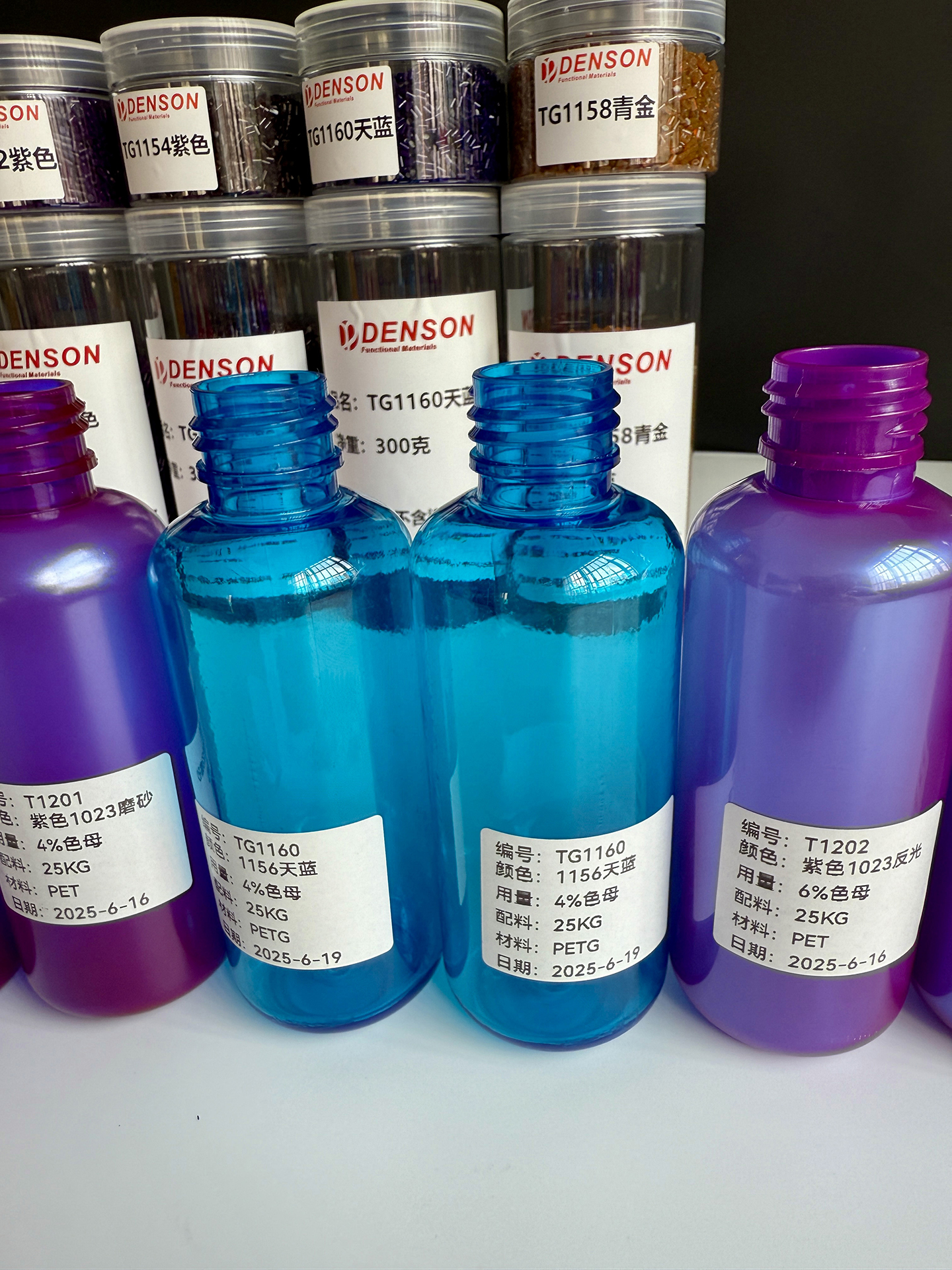
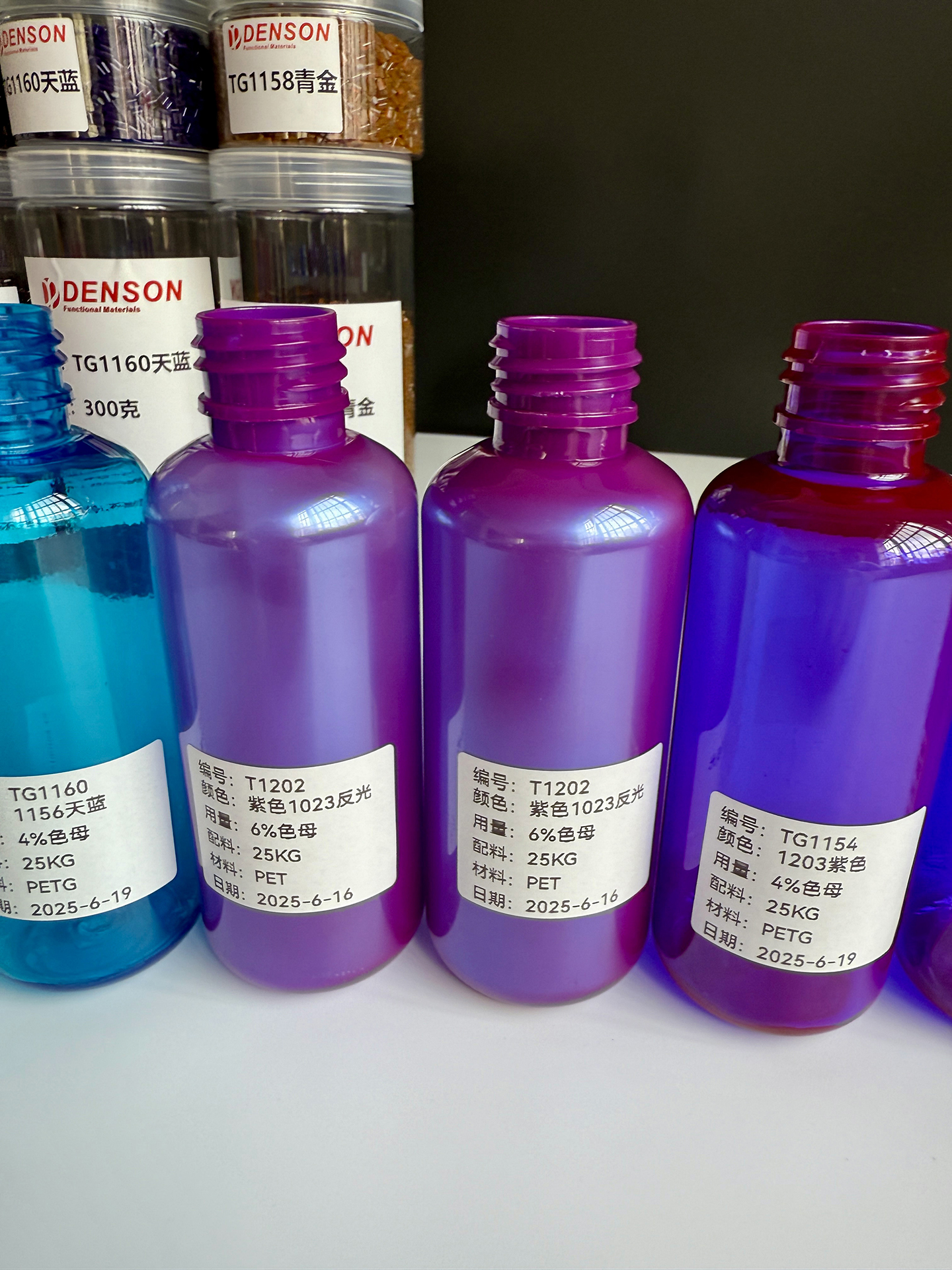
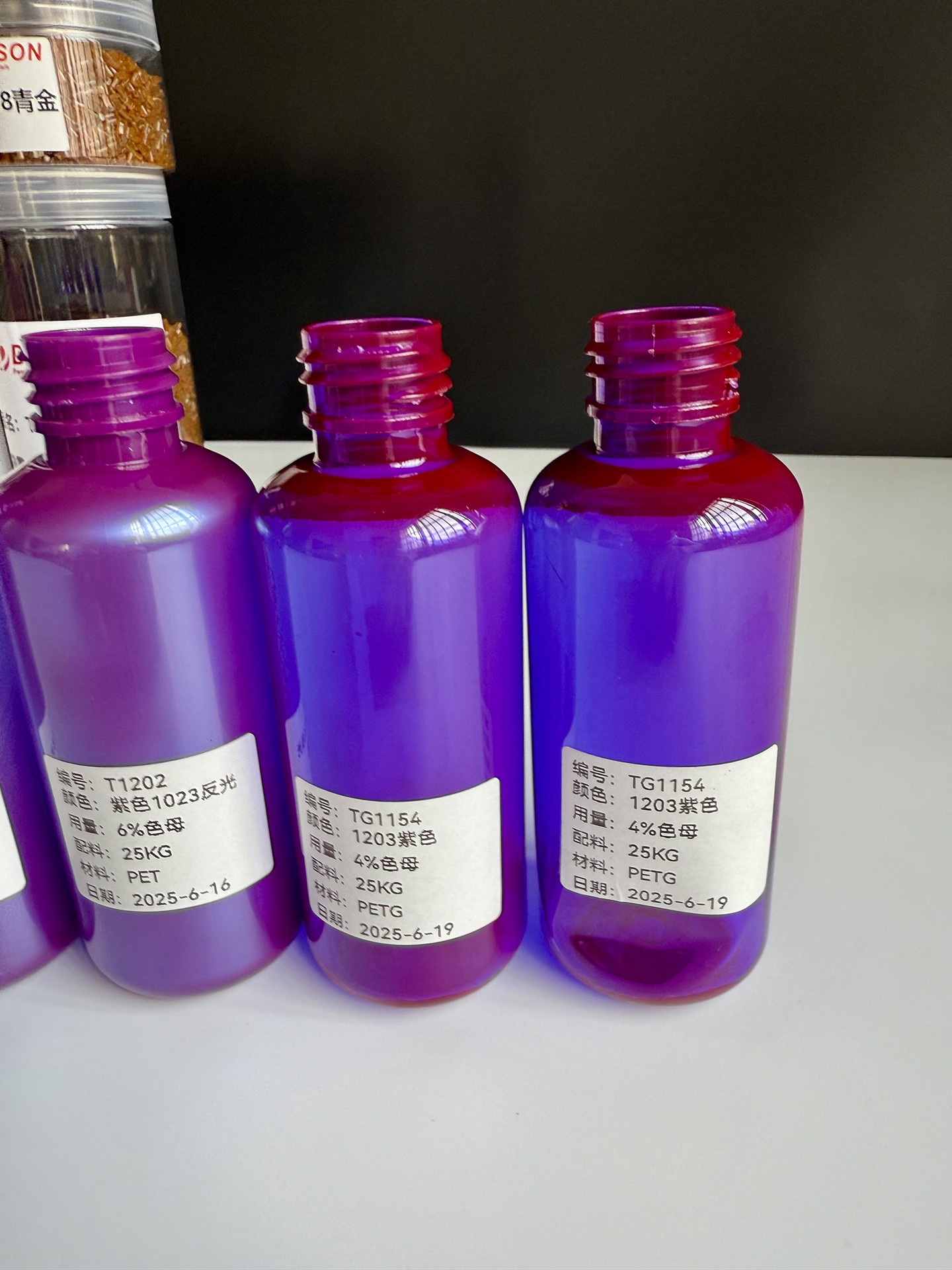
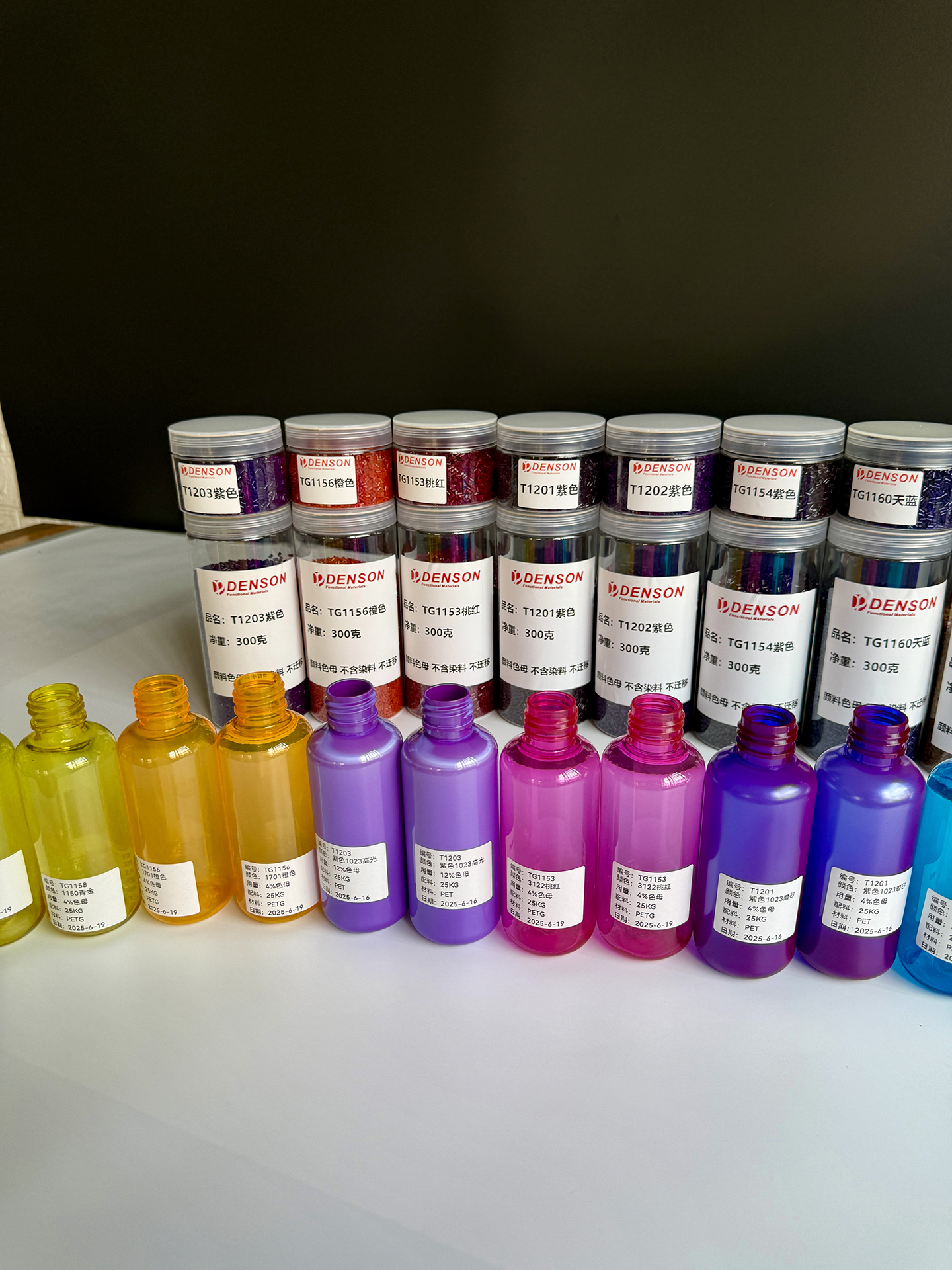
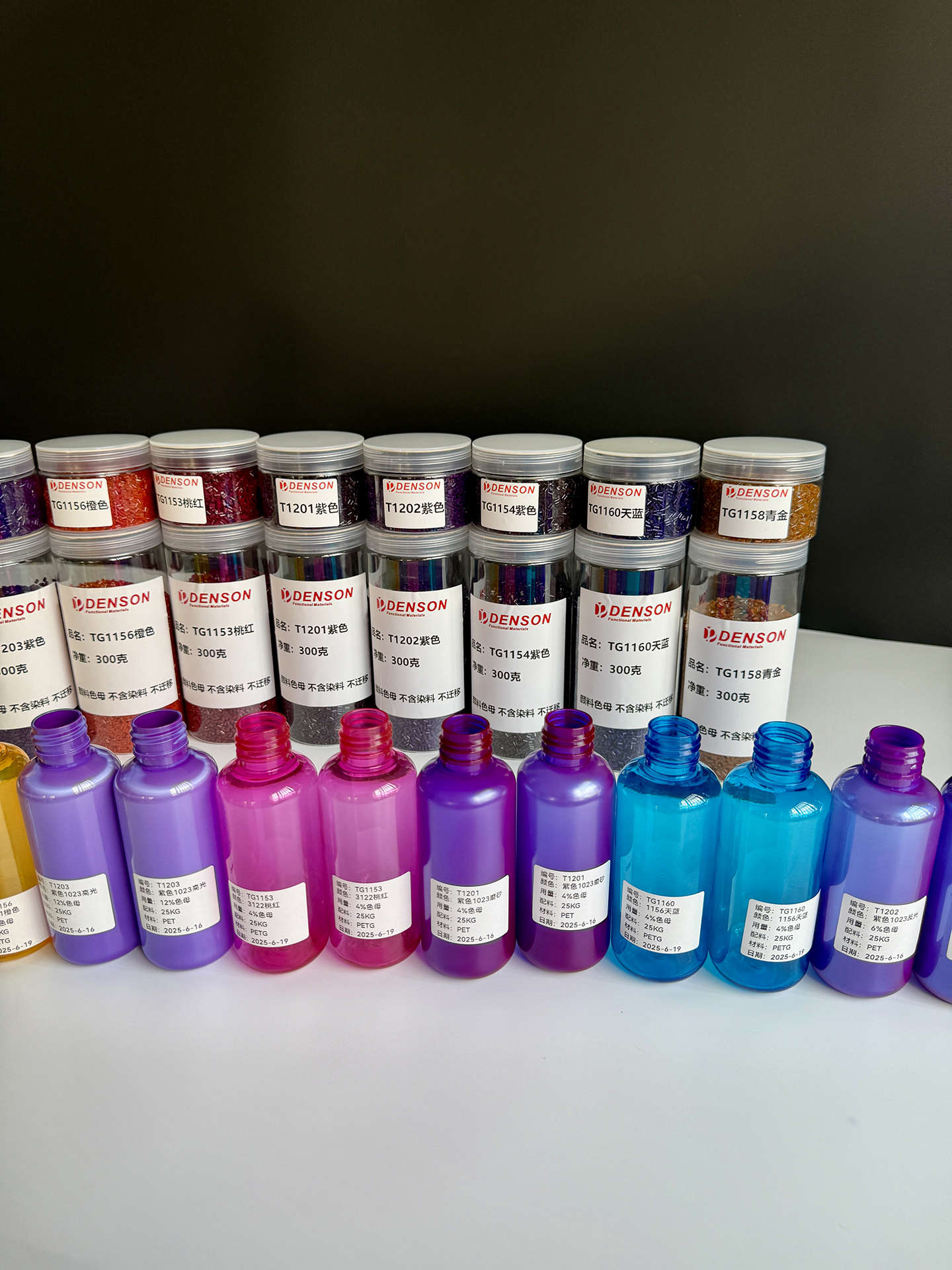
Thyssen's nano pigment PETG masterbatch is a colored particle made by uniformly dispersing high-concentration organic pigments in a copolyester (PETG) base resin using high-shear melt blending technology, with preformed nano pigments as the colorant. Compared with traditional oil-soluble dye-based masterbatches, this product uses molecular-level stabilized organic pigments (such as phthalocyanine, quinacridone, perylene, azo condensation type, etc.) to achieve ultrafine dispersion (particle size ≤ 100nm) in the PETG system, offering excellent transparency that can approach the light transmittance of dyes while maintaining high weather resistance. It endows the final products with outstanding physical and chemical properties.
II. Core Performance Advantages: High-performance Organic Pigments vs Oil-soluble Dyes
Advantage of solvent resistance
Indicator
Organic pigment masterbatch
Oil-soluble dye masterbatch
Mechanism of action
The pigment is dispersed as solid particles with a particle size of 90 nanometers and is insoluble in solvents.
Dye molecules dissolved in the resin are easily extracted by solvents.
Alcohol resistance
It shows no color fading after being soaked in ethanol and isopropanol (≥99%) for 96 hours, and the liquid shows no obvious color change.
There was obvious color seepage after soaking in 30% ethanol for 24 hours.
Ester-resistant solvents
Resistant to erosion by plasticizers such as ethyl acetate and DOP
Undergo molecular-level dissolution and migration in ester solvents
Oil resistance
Complies with FDA 21 CFR 177.1315 edible oil test
Color bleeding occurs upon contact with grease.
Test standards
ASTM D543, ISO 2812-1
Engineering value: It is suitable for packaging that needs to come into contact with detergents, cosmetics, oily foods, and medical devices.
2. Advantage of Migration Resistance
Migration Type
Organic pigment performance
Defects of oil-soluble dyes
Contact migration
Grade 0 - No migration (ISO 105-A03)
Level 3-4 (Significantly contaminated adjacent items)
Precipitation migration
No small molecule precipitation (Tg > 80℃ to lock the pigment)
Dye molecules diffuse to the surface to form "blooming".
Hot migration stability
No migration at 200°C for 1000 hours (DIN 53775)
Significant migration occurs at 80℃.
Plasticizer-induced migration
Resist DINP/DIDP and other phthalate plasticizers
Rapid migration occurs due to mutual solubility with plasticizers.
Engineering value: Ensuring the color reliability of multi-layer composite products, precision electronic components, and long-service-life products.
3. Environmental protection and regulatory compliance advantages
Dimension
Organic pigment masterbatch
Risk of oil-soluble dyes
Heavy metal content
Compliant with EN 71-3, RoHS 2.0 (Pb, Cd, Hg, Cr⁶⁺ ≤ 0 ppm)
Azo dyes are prone to contain restricted heavy metals.
Polycyclic Aromatic Hydrocarbons (PAHs)
ND (Not Detected, verified by GC-MS)
Coal tar dyes contain benzo[a]pyrene and other substances.
Food contact safety
Compliant with EU 10/2011 and FDA 21 CFR 178.3297
Dyes are prone to migrate into food and cause contamination.
Ecotoxicity
Non-bioaccumulative (OECD 305 test)
Some dyes are mutagenic (positive in the Ames test).
Engineering value: Meeting the mandatory compliance requirements in fields such as medical care, food packaging, and children's products.
III. Typical Application Fields and Terminal Products
The high-end packaging field
Food packaging:
Transparent / semi-transparent salad boxes, baking containers (resistant to oil migration)
Carbonated beverage bottle cap (with color change due to CO₂ permeability)
Heat-formed dinner plates (microwave-safe up to 120℃)
Cosmetics packaging:
Perfume bottles, lotion pumps (resistant to alcohol and fragrance erosion)
Lipstick tube (anti-lipstick oil migration)
2. Medical Device and Pharmaceutical Packaging
Three-way valve of disposable infusion set
Inhaler housing (resistant to isopropyl alcohol disinfection)
Blister packaging aluminum-plastic film (without drug component adsorption)
Laboratory consumables (pipette tip racks, centrifuge tube racks)
3. Consumer Electronics and Appliances
Bluetooth earphone charging case (resistant to sweat corrosion)
VR glasses frame (anti-cosmetics migration)
Appliance control panel (resistant to cleaning agent wiping)
Anti-hand-sweat migration discoloration keyboard keycaps
4. Automobiles and Transportation Components
Interior car parts (armrests, storage boxes, resistant to sunscreen migration)
Charging pile shell (resistant to gasoline and antifreeze splash)
Weather-resistant and UV-resistant lock column for shared bikes
5. Sustainable Products
Reusable coffee cup (alkali-resistant detergent)
PETG fiber woven shopping bag (colorfast after 50 washes)
3D printing filament (no nozzle carbonization, high color consistency)
IV. Suggested Technical Parameters
Project
Standard value
Pigment content
10 - 20% (90-nanometer pigment ultrafine formula)
Particle size distribution (D50)
≤ 0.1 μm (HAAKE Rheomix test)
Melt Index (210℃/2.16kg)
15-35 g/10min
Heat resistance
240 degrees for 15 minutes
Weather resistance (QUV340 500h)
ΔE ≤ 1.0 (ISO 4892-3)
Weather resistance (QUV 3000h)
ΔE ≤ 3.0 (ISO 4892-3)
V. Although the initial cost of organic pigment-based PETG masterbatch is 30-50% higher than that of dye-based products, it relies on:
Eliminate customer returns caused by relocation (such as contaminated cosmetic packaging).
✅ Extend the service life of products (improve the color retention of outdoor products by 3 times)
✅ Zero risk of regulatory violations (avoid REACH SVHC penalties)
In high-end application scenarios, higher requirements are an inevitable choice for catering to consumption upgrades and green manufacturing.
Technical Consultation: Dongguan Thyssen New Materials Co., Ltd.
Version Number: PETG-OCP-TDS Rev 3.0
Release Date: June 30, 2025

Mr. Jia: 159-1691-0100 13360650502 Mr. Jiang:13924940045
Email:denson168@163.com
Address: Room 101, No. 1, Lane 11, Changsheng Street, Dalian Tang, Wanjiang Street, Dongguan City, Guangdong Province

备案号:粤ICP备19036602号 粤公网安备 44190002005999号 Copyright Dongguan DENSON New Materials Co., Ltd
