

Pigments|dyes
Tailor made solutions for customers and create more innovative products for them


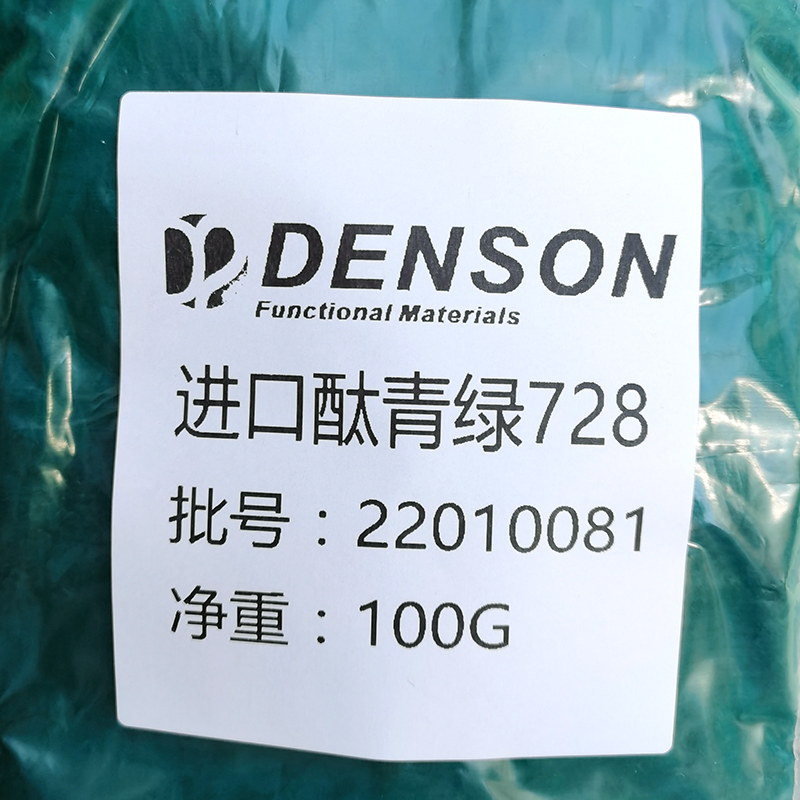
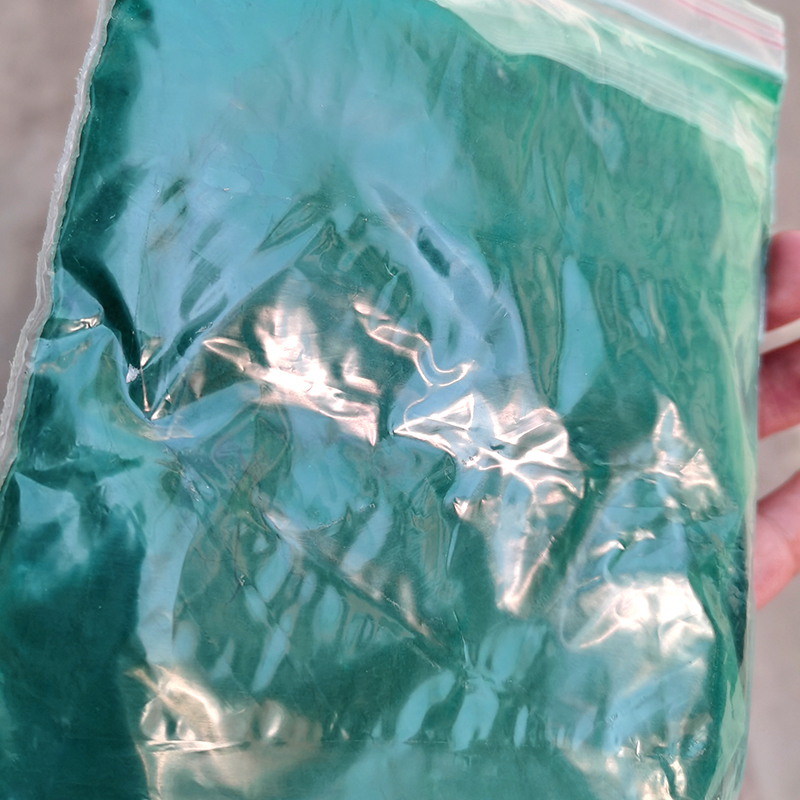
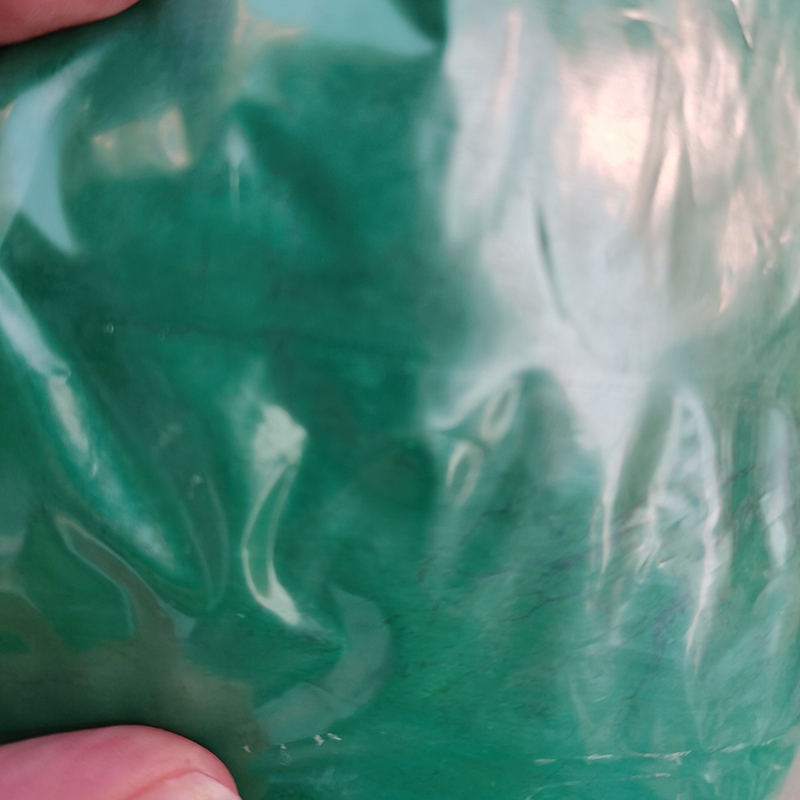
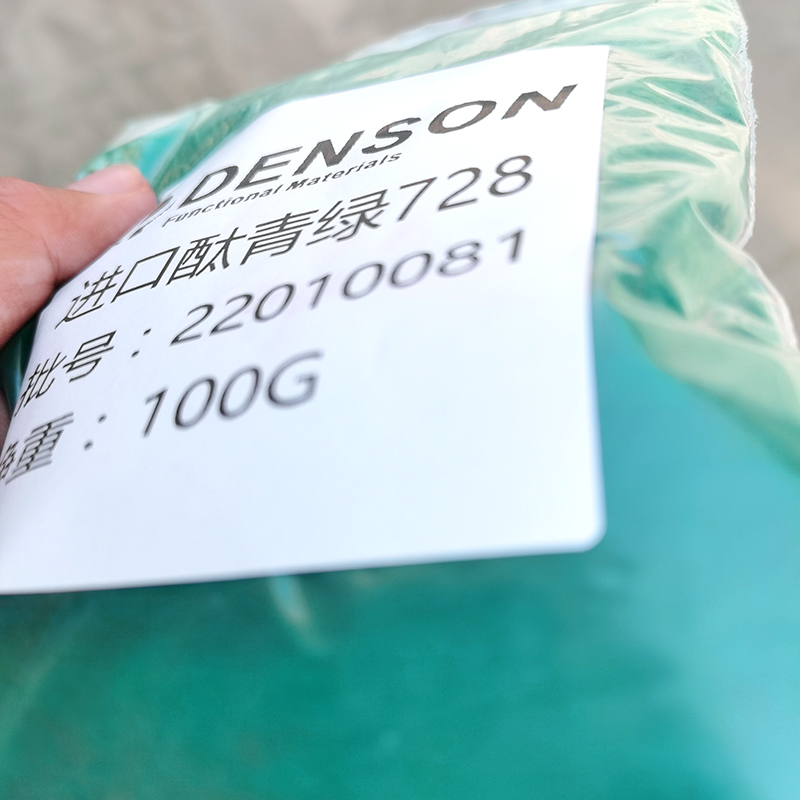
The concentration and brightness of plastic general-purpose phthalocyanine pigment are higher than that of 5319 and other types of phthalocyanine pigment products. It can be used for all kinds of PP, PE, LLDPE general color masterbatch, and PP polypropylene fiber masterbatch, and the actual temperature resistance is 260 degrees. Outdoor weather resistance. It can also be used for coloring coatings, inks, resins, paint printing, lacquered cloth, stationery, plastic products and rubber products. It can be used alone or color-blocked. This product is a dark green powder. Melting point 480 °c. The relative density is 1.80~2.47. Insoluble in water and general organic solvents. It is olive green in concentrated sulfuric acid, and a green precipitate is formed after dilution.
Bright color, strong tinting strength, excellent light fastness and heat resistance, it is a non-fading pigment, and it has good acid and alkali resistance and solvent resistance.
Accession Number: CAS[1328-53-6]; CI 74260 Molecular formula: C32H12Cl14~15CuN8
Molecular weight: 1085.31~1092.75
Structural formula: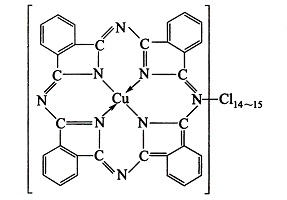
| appearance | Dark green powder |
| Shade | Similar to standards |
| Tinting strength/% | It is 100±5 of the standard |
| Moisture content/% | ≤1.0 |
| Water soluble matter content/% | ≤0.5 |
| Oil absorption/% | 40±5 |
| Fineness (over 80 mesh sieve allowance)/% | ≤5.0 |
| Light fastness/class | 7 |
| Heat resistance/°C | 260~275 |
| Water permeability/class | 5 |
| Oil permeability/grade | 5 |
| Acid resistance/grade | 5 |
| Alkali resistance/grade | 5 |
| Paraffin permeability/grade | 5 |
Pigment preparation method: 1. Production principle Crude phthalocyanine blue is eutectic with aluminum chloride, cuprous chloride and sodium chloride, chlorinated by chlorine gas at 180~230 °C, diluted and boiled, adsorbed with o-dichlorobenzene, desolubilized, filtered, dried and crushed to obtain phthalocyanine green.
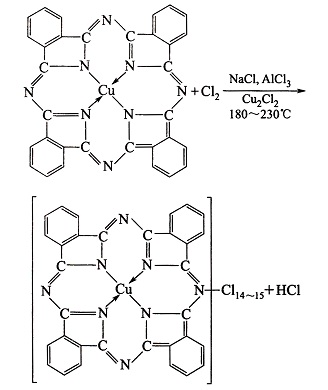
Pigment production formula:
| raw material | Consumption quota (kg/t) |
| Phthalic anhydride (industrial product) | 550 |
| Benzene trichloride (industrial product) | 200 |
| Aluminium chloride (industrial product) | 235 |
| Emulsifier E (industrial product) | 4 |
| Sodium hydroxide (30%) | 1810 |
| Sodium chloride (refined) | 495 |
| Copper chloride (industrial product) | 82 |
| Rosin (Premium) | 32 |
| Urea (industrial product) | 820 |
| O-dichlorobenzene (industrial product) | 80 |
| Cuprous chloride (industrial product) | 185 |
| Liquid chlorine (industrial product) | 90 |
| Ammonium molybdate (industrial product) | 7 |
| Hydrochloric acid (30%) | 615 |
Equipment required for production:
Chlorination pots, dilution pots, acid cooking pots, adsorption pots, distillation pots, storage tanks, filters, drying ovens, pulverizers.
Pigment process
Process 1: For the preparation of crude phthalocyanine blue, see phthalocyanine blue B operation process. In the chlorination pot, add aluminum chloride, sodium chloride, crude phthalocyanine blue, cuprous chloride, heat to 190~200 °C eutectic under stirring, and then enter dry chlorine gas for chlorination, chlorination temperature 220 °C, stop chlorination at the end of the reaction, and cool the material to 180 °C discharge. The material liquid is put into a dilution pot filled with water, and after stirring, the upper layer of water is removed, and the water is added again under stirring, and the upper layer of water is absorbed by the precipitation layer, and the material is transferred to the pickling pot. Add 30% hydrochloric acid and emulsifier EL under stirring, heat to boiling and keep warm for 1h, then cool to 65 °C and transfer to the adsorption pot, add o-dichlorobenzene for solvent adsorption, and the material is granular at this time. After absorbing the water in the material, it is transferred to the distillation pot, 30% sodium hydroxide is added for stirring and beating, and the dissolved special rosin, water, 30% sodium hydroxide and diffusion agent NNO are added, and then water vapor is introduced for steam distillation until no o-dichlorobenzene flows out. A certain amount of water is added to the distilled material, and after the upper layer of water is removed by static layering, the material is filtered, rinsed with water, and the filter cake is dried, and phthalocyanine green G is obtained by crushing. Process 2 880kg of aluminum trichloride, 220kg of sodium chloride, 220kg of crude phthalocyanine blue and 24kg cuprous chloride are added to the preheated chlorination pot in an alternate manner, stirred for 0.5h, and when the temperature reaches 190 °C, dry chlorine gas is introduced with a ventilation flow rate of 40kg/h. When the intake volume is 500 kg, the ventilation rate is reduced to 30 kg/h, and the ventilation volume is about 650 kg. When the temperature is 200~230 °C, the end point is measured by sampling (1% sodium hydroxide solution is added dropwise to the sample, and the hue is yellow and green), the chlorine is stopped, the temperature is cooled to 180 °C, the material is put into 5000L of water within 0.5h, then 1000L is added, stirred for 0.5h and then stand, the upper wastewater is siphoned, 9000L of water is added, and the upper water is repeated. 220kg of hydrochloric acid and 11kg of emulsifier EL were added to the material after two siphons, stirred and heated to boiling for 2h. Add water to a total volume of 4000L. 350kg of mist o-dichlorobenzene was sprayed at 65°C to adsorb the material into granules. Stop stirring, add water to a total volume of 6500L, and let stand. After siphoning the water layer, put it into the distillation pot, add 500kg of 30% sodium hydroxide solution, and add 11kg of rosin, 80L of water, 5kg of 30% sodium hydroxide solution and 2kg of diffuser NNO under stirring. Then distilled with direct steam for 2~3h until no o-dichlorobenzene flows out. Add water to a total volume of 6500L, stand for 6h, siphon the upper water, filter, wash with water until neutral, and dry to obtain 410kg of phthalocyanine green product. It is used for coloring coatings, inks, resins, paint printing, lacquered cloths, stationery, plastic products and rubber products. It can be used alone or color-blocked.

Mr. Jia: 159-1691-0100 13360650502 Mr. Jiang:13924940045
Email:denson168@163.com
Address: Room 101, No. 1, Lane 11, Changsheng Street, Dalian Tang, Wanjiang Street, Dongguan City, Guangdong Province

备案号:粤ICP备19036602号 粤公网安备 44190002005999号 Copyright Dongguan DENSON New Materials Co., Ltd
